'%3e%3cmask%20id='mask1_1_62'%20style='mask-type:luminance'%20maskUnits='userSpaceOnUse'%20x='-17'%20y='-15'%20width='101'%20height='100'%3e%3cpath%20d='M83.5889%20-14.1012H-16.7722V84.6111H83.5889V-14.1012Z'%20fill='white'/%3e%3c/mask%3e%3cg%20mask='url(%23mask1_1_62)'%3e%3cpath%20d='M3.50919%2013.6618L41.4831%203.65344L63.3076%2013.6618V56.8484L25.3337%2066.8568L3.50919%2056.8484V13.6618ZM0.0045166%2059.042L25.0052%2070.5095L66.8123%2059.4925V11.4682L41.8117%200.000686646L0.0045166%2011.0177V59.042ZM46.9492%2028.7918H53.0027L58.0108%2042.022H53.9486L53.0425%2039.2408H46.9094L46.0033%2042.022H41.9411L46.9492%2028.7918ZM47.8453%2036.3813H52.1166L50.5833%2031.6513H49.3786L47.8453%2036.3813ZM41.1545%2028.7918L39.9896%2031.9843H35.9274V42.0318H31.9747V31.9843H27.6038V28.7918H41.1645H41.1545ZM13.6349%2028.7918V36.538C13.6349%2038.4966%2014.6305%2039.231%2016.6119%2039.231C18.5932%2039.231%2019.5889%2038.5063%2019.5889%2036.538V28.7918H23.5017V36.2638C23.5017%2040.6216%2021.0525%2042.3648%2016.6019%2042.3648C12.1514%2042.3648%209.7021%2040.6216%209.7021%2036.2638V28.7918H13.615H13.6349Z'%20fill='black'/%3e%3c/g%3e%3c/g%3e%3c/svg%3e)
'%3e%3cpath%20d='M18.0204%20-0.0793198C13.163%20-0.0793198%208.96376%202.66542%206.96326%206.64983L19.926%203.62848C20.4277%203.51152%2020.9095%203.88271%2020.9095%204.38508V18.3935C20.9095%2018.7535%2020.6561%2019.0668%2020.2973%2019.1502L10.5221%2021.4282C12.5977%2022.9861%2015.1979%2023.9135%2018.0204%2023.9135C24.8157%2023.9135%2030.3249%2018.542%2030.3249%2011.9166C30.3249%205.29119%2024.8157%20-0.0803375%2018.0204%20-0.0803375V-0.0793198Z'%20fill='black'/%3e%3cpath%20d='M5.71681%2011.9177C5.71681%2010.0282%206.16531%208.24033%206.96427%206.65085L0.584087%208.13765C0.225287%208.22105%20-0.0281677%208.53425%20-0.0281677%208.89425V22.9027C-0.0281677%2023.4051%200.45371%2023.7763%200.955402%2023.6593L10.5241%2021.4292C7.60156%2019.2356%205.71786%2015.7912%205.71786%2011.9177H5.71681Z'%20fill='black'/%3e%3cpath%20d='M35.4179%2012.0417C35.4179%205.10001%2039.6495%200.188141%2047.2385%200.188141C52.4098%200.188141%2056.6414%202.67662%2057.9514%207.8834L52.7801%208.8332C52.243%205.95221%2050.4625%204.08509%2047.2385%204.08509C45.0888%204.08509%2043.3428%204.54373%2042.2685%205.91865C41.1942%207.29356%2040.6904%209.42203%2040.6904%2012.0417C40.6904%2014.6614%2040.9595%2016.3963%2041.9661%2017.8048C43.0404%2019.2783%2044.6529%2019.9983%2047.2385%2019.9983C50.3958%2019.9983%2052.2085%2018.1973%2052.8803%2015.5777L58.1194%2016.92C56.3055%2021.4383%2052.4098%2023.8943%2047.2385%2023.8943C39.783%2023.8943%2035.4179%2019.6709%2035.4179%2012.0417Z'%20fill='black'/%3e%3cpath%20d='M60.6727%200.581726H77.1954V4.54376H65.7439V9.9468H75.953V13.9088H65.7439V19.5407H77.1954V23.5027H60.6727V0.581726Z'%20fill='black'/%3e%3cpath%20d='M79.1761%2015.9051L84.3485%2015.3488C84.3485%2018.5573%2086.43%2020.0959%2089.4531%2020.0959C92.0715%2020.0959%2094.0869%2019.2448%2094.0869%2016.9525C94.0869%2014.6603%2091.7023%2014.6278%2088.1431%2013.8742C83.4408%2012.8919%2079.8146%2011.2871%2079.8146%206.90001C79.8146%202.21798%2084.4485%200.187134%2088.9823%200.187134C94.0869%200.187134%2097.9492%202.15188%2098.52%207.52137L93.3823%208.30745C93.2477%205.26273%2091.6692%203.9529%2088.9492%203.9529C86.5315%203.9529%2084.9531%204.87018%2084.9531%206.67018C84.9531%208.37255%2086.8338%209.02745%2090.1923%209.61732C95.2969%2010.502%2099.2592%2011.877%2099.2592%2016.8214C99.2592%2022.322%2094.2215%2023.8932%2089.3185%2023.8932C83.9123%2023.8932%2079.3446%2021.4373%2079.1761%2015.904V15.9051Z'%20fill='black'/%3e%3c/g%3e%3cdefs%3e%3cclipPath%20id='clip0_386_448'%3e%3crect%20width='100'%20height='24'%20fill='white'/%3e%3c/clipPath%3e%3c/defs%3e%3c/svg%3e)
 In the Future ofMarketing, CultureIs the AdvantageIn the Futureof Marketing,Culture Is theAdvantage
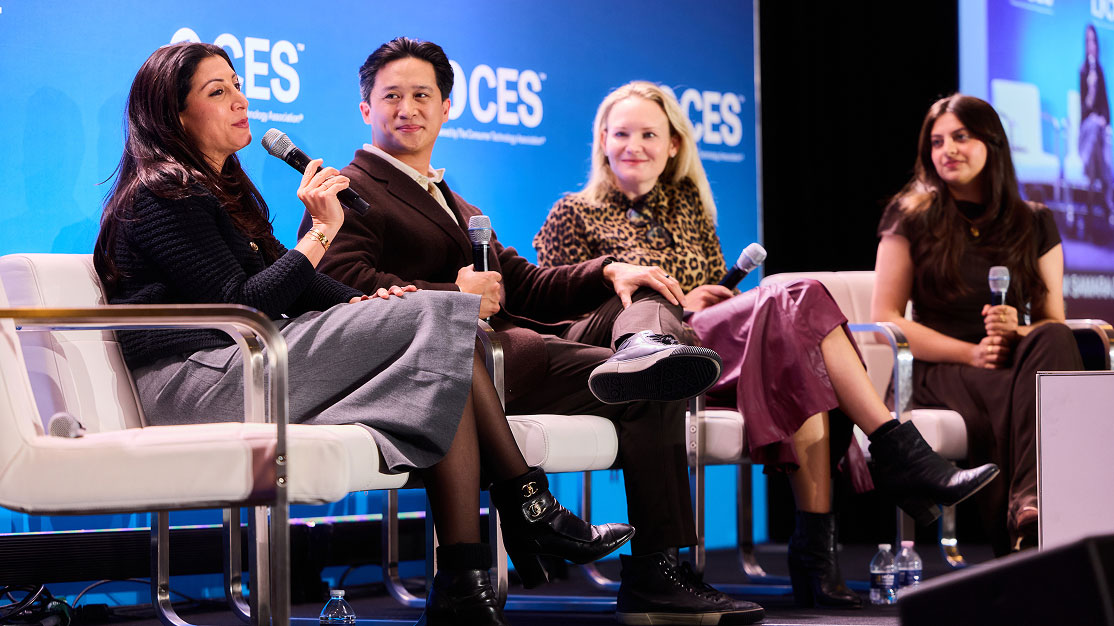
Seven marketing and media trends that’ll define the year ahead—from the collapse of the marketing funnel to AI as infrastructure to the future of fandom—straight from the world’s biggest technology event.CES is about the latest breakthroughs in technology. UTA is about breakthroughs in culture and creativity. At CES 2026, UTA and MediaLink led the conversation about the future of media and marketing, decoding the human and cultural possibilities that innovation and new technology unlocks. Because innovation alone doesn’t create impact. It’s how technology, creativity, and culture converge that drives opportunity and transformation.Across a week of forward-looking panels, closed-door conversations, and executive sessions, one theme surfaced again and again: The brands shaping the future aren’t simply adopting new tools or reorienting teams—they’re redefining how they show up in culture. They’re using technology to fuel relevance, deepen connection, and build lasting influence with audiences across the entertainment, media, and marketing ecosystem.From our position as media and marketing’s most trusted advisor, we rounded up the insights and actions that’ll matter most to brand decisionmakers in 2026.
'%3e%3cpath%20d='M31.6358%2068.534L68.5095%2031.6604L73.7437%2036.8947L36.8701%2073.7683L31.6358%2068.534Z'%20fill='black'/%3e%3cpath%20d='M36.8736%2073.7717L0%2036.8981L5.23426%2031.6638L42.1079%2068.5374L36.8736%2073.7717Z'%20fill='black'/%3e%3cpath%20d='M33.3833%2069.86V3.88525H40.7856V69.86H33.3833Z'%20fill='black'/%3e%3c/g%3e%3cdefs%3e%3cclipPath%20id='clip0_1_70'%3e%3crect%20width='52.1472'%20height='52.1817'%20fill='white'%20transform='matrix(0.707107%200.707107%200.707107%20-0.707107%200%2036.8981)'/%3e%3c/clipPath%3e%3c/defs%3e%3c/svg%3e)
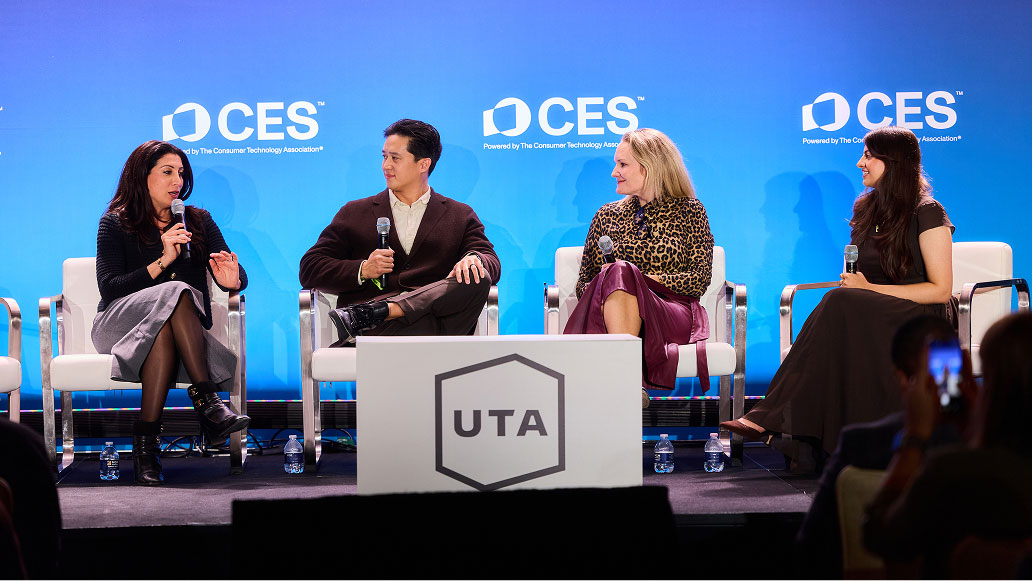
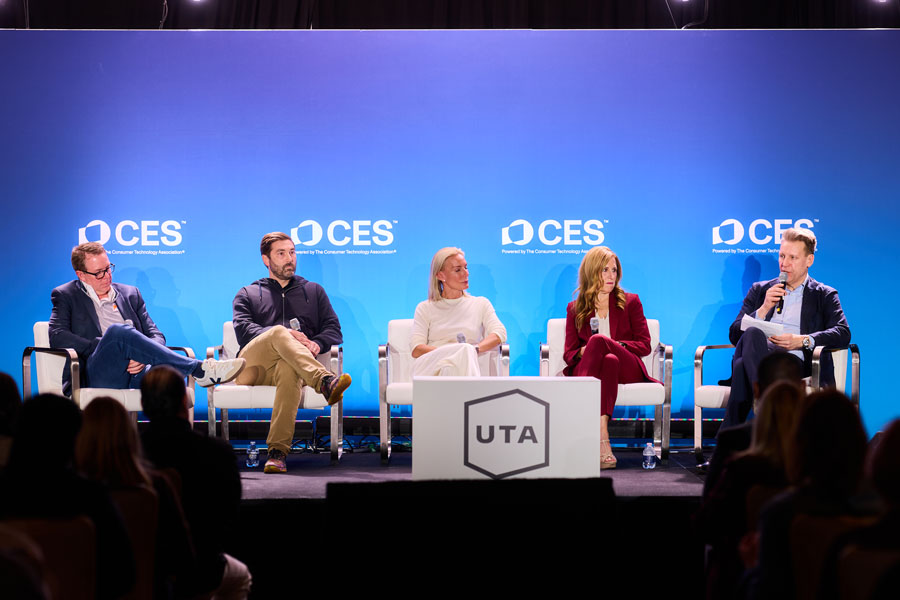
Optimizing for the Speed of Culture
Accelerating marketing transformation and organizational design
Future-facing brands are redesigning decision-making across teams, moving beyond siloed ways of working toward cross-functional squads and expectations, such as shared data. This shift was underscored by many CMOs at CES as a meaningful investment that’ll enable brands to move faster, learn continuously, and connect with culture and customers more meaningfully, and in real time.

“Everybody's trying to connect the consumer journey. To do that, we have to connect the functions. You can't do that in silos. So we [look at our] brand team differently. We have the usual suspects like marketing, sales, digital commerce. But now we bring in data analytics, human intelligence, growth analytics, and digital technologies into the brand teams to get the right connectivity.”
Gülen Bengi
Lead CMO Mars and Global Chief Growth Officer Mars Snacking, Mars, Inc.
“We went through an organizational change around what we call ‘experience squads.’ We have eight of those at Sam's Club. These squads have team members from operations, merchandising, and more, with a design thinking leader that helps them consider the experience strategy. These squads are helping make sure we are having the right conversation, accelerating our ability to move faster and improve the consumer experience end-to-end versus in one area versus another.”
Diana Marshall
EVP & Chief Experience Officer, Sam’s Club Member Access Platform
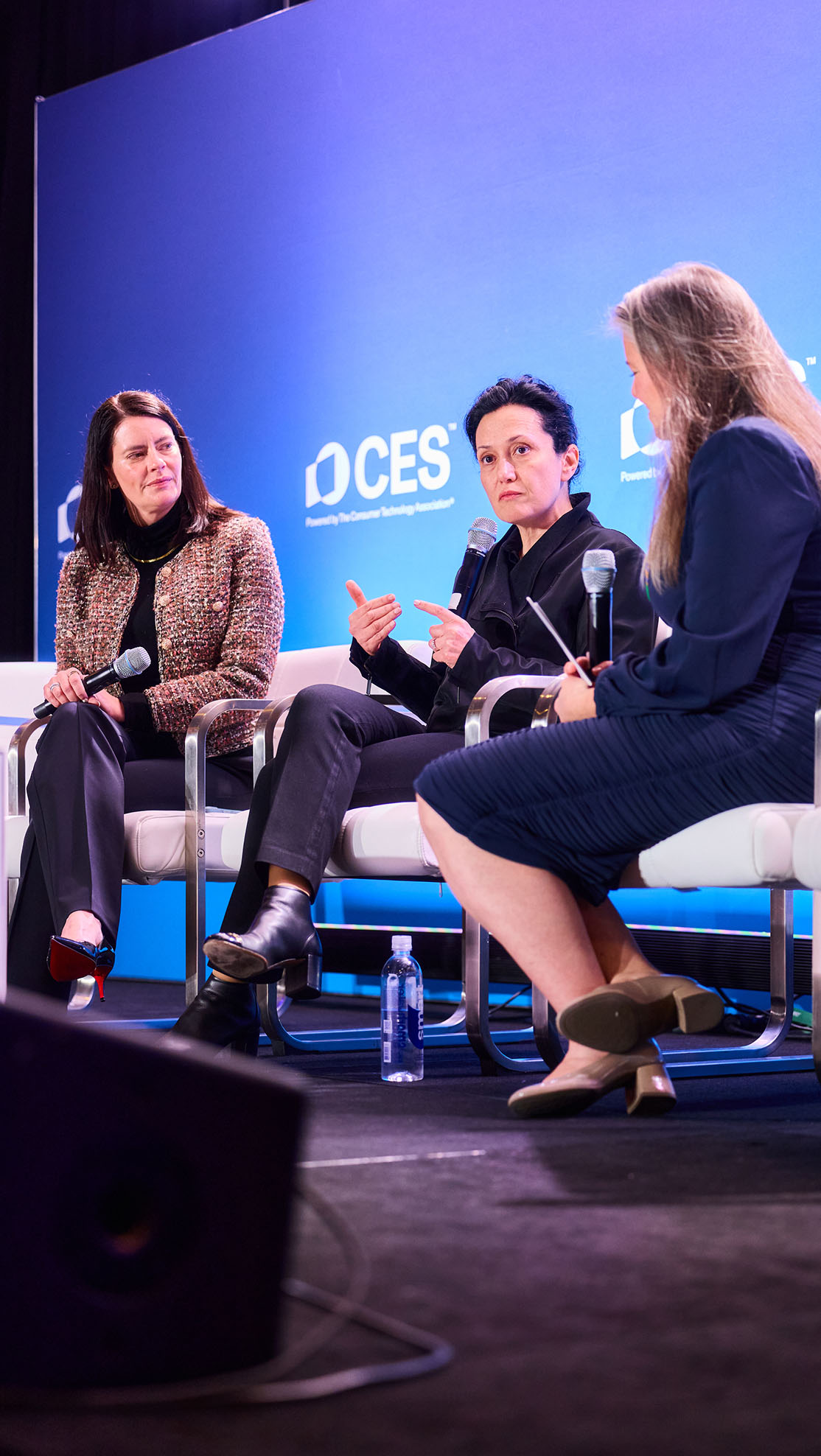
AI as Infrastructure, Not Innovation Theater
Shifting from pilots to production
CES 2026 highlighted AI's maturation, shifting focus from experimentation to core infrastructure. The emphasis was on moving from pilots to continuous production, with systems like agentic and GPU-powered analytics running constantly to enable better decisions, faster iteration, and human creativity.

“If you're not a data-centric organization, where you have your ‘plumbing’ right—you know where your data sits and how it's talking to each other—that's when agenetic AI doesn't give you the full scale. As a practitioner in this space, what I've learned over the last few years, through testing and learning, is that without that plumbing, no matter what you do, you cannot solve for the real business value from an enterprise perspective.”
Ekta Chopra
Chief Digital Officer, e.l.f. Beauty

“The number one thing we see right now with clients in terms of being able to prove what takes something from a pet project to something real is when does ‘AI’ move from single department to multi-department? When do you get out of the silo: Having the email team say, ‘We use this cool tool’ to that team working with the point-of-sale team, the backend data team, etc., to actually put something together, across the board.”
Mark Wagman
UTA and MediaLink Partner & Managing Director
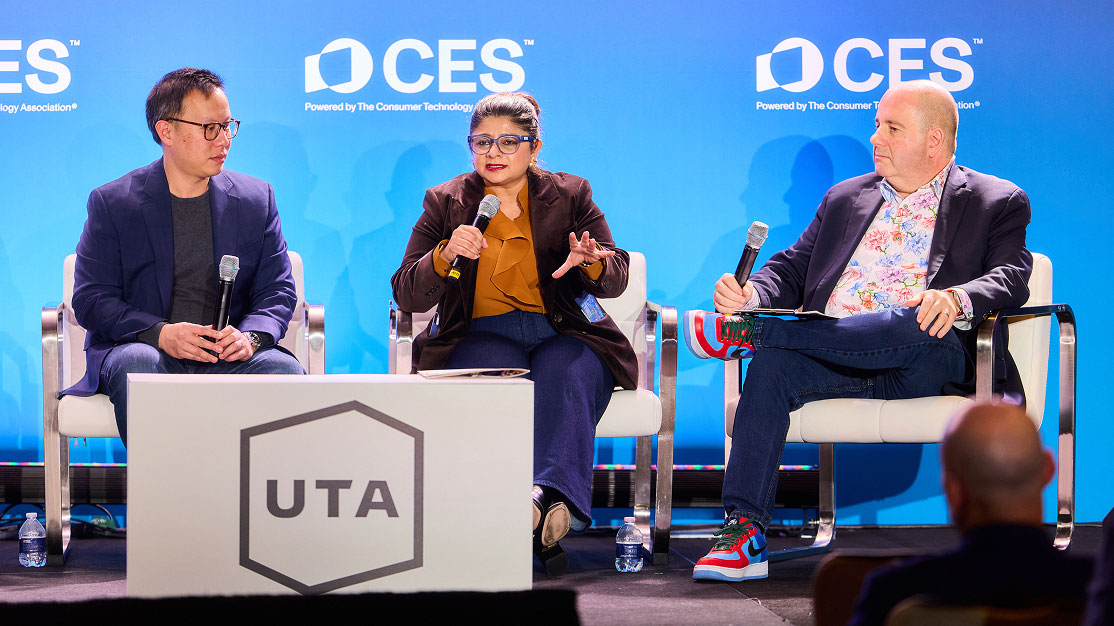
Commerce Media Goes Mainstream
Creating a new standard for measurement
Commerce and retail media budgets continue to grow as brands see strong ROAS and better conversion visibility, but inconsistent metrics and methodologies across networks (e.g., Walmart vs. Amazon vs. Target) creates friction and confusion for marketers, sales and finance teams. Brands and agencies are pushing for standards, better education of measurement vendors on retail data, and more integrated org structures that align shopper, brand, and eCommerce functions.

“There are a lot of changes coming in the field of retail media measurement. As a CPG company, we never had access to our conversion data but now with the digital shelf [Amazon, Walmart, etc.] we do so our strategy has changed quite a bit. Our focus now is in two directions: agility and shared measurement. We now have the ability to course correct right away whenever we see something. If marketing is happening at that pace, measurement has to follow as well.”
Saurabh Gajjar
Marketing Analytics Director at Kimberly Clark
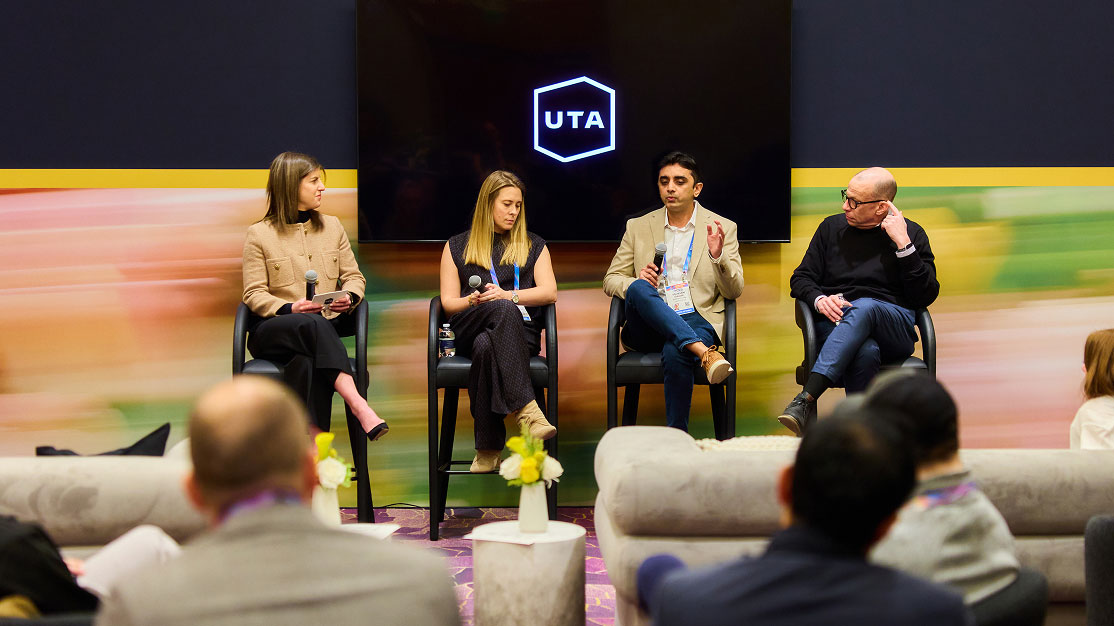
Don’t Kill the Vibe With Personalization
Utilizing data with fluency, precision and tact
Consumers expect personalization—but only when it feels useful, respectful, and human. Across retail, media, and entertainment, experts at CES emphasized privacy-first data strategies and context-driven relevance that enhance experiences without crossing trust boundaries.

“Fragmentation feels scary for marketers. But it does illuminate an opportunity for value creation and product market fit for a niche audience. I think one-to-one personalization is oftentimes extreme or overkill for what we need. There's this great opportunity to reevaluate the value that our brands, our products, are bringing to consumers through—let’s call it Personalization 2.0.”
Catherine Pinkham Berger
VP, Marketing Transformation & Services, Grupo Bimbo

“When you personalize services, you're explaining to audiences that you know them. And when you engage authentically, you demonstrate that you value them. Doing it consistently shows you're committed to them. That's what cultivates the real lifetime value of a subscriber. That's manifested within AWS relative to how we leverage our services to work with different internal customers like Prime Video, which has Made For You and X-Ray Recaps—great examples of personalization at scale.”
Samira Bakhtiar
General Manager, Media & Entertainment, Games, and Sports, AWS

“One of the myths that saturated 2025 is that fragmentation of consumption is a negative thing for marketing. When you have the right data assets, it is additive to how we understand consumption behaviors. Fragmentation actually gives us a better picture of that consumer, and it can enhance marketers’ ability to be able to reach their target audiences with that precision and those outcomes.”
Julie Clark
SVP, Diversified Markets, Media & Entertainment, TransUnion
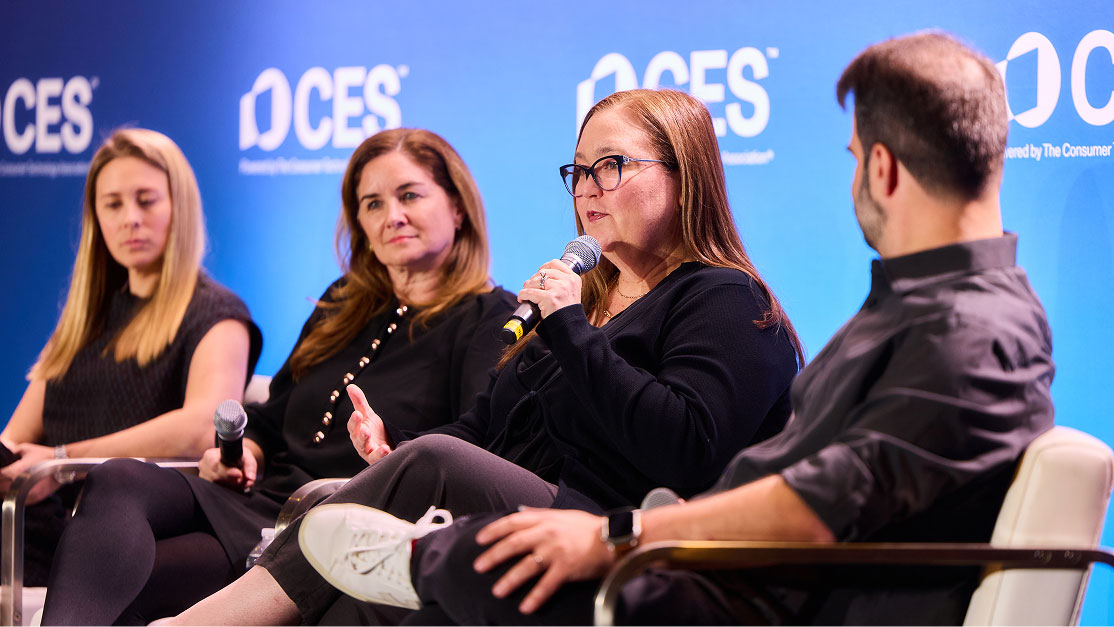
The New Era of Brand as Content
Embedding into culture requires effective brand storytelling—and effective storytellers
CES reinforced that the most effective brand storytelling doesn’t interrupt content—it is the content. Whether through unscripted shows, podcasts, or creator partnerships, brands are embedding themselves into the stories people want, delivering both cultural relevance and measurable business impact. The force multiplier: Talent who know how to create and tell these stories in an authentic way, and who are willing to partner with brands across co-creation, distribution, and marketing.
Fandom As a Growth Engine
Investing in communities with fluency
From gaming to entertainment to sports, a leading conversation at CES centered on how fandom is no longer accidental—it’s designed and invested in. Brands are investing in communities built on shared passion, co-creation, and two-way engagement, knowing that depth of connection drives retention, advocacy, and long-term value.

“With EA Sports’ games, realism is super important. Fans are watching the sport constantly and know the newest plays and latest moves. We’re able to bring those into our game within a week, helping fans recreate real-world moments. Months before a driver raced the F1 track in Vegas, we had it in our games. There’s also the crossover of IP: We partnered with the F1 movie and recreated some scenes in our games, fueling fandom.”
Alexander Dao
VP, Ads and Sponsorships, Electronic Arts

“Culture moves quickly, but passion and fandom is persistent. We have 80 billion searches every month. People make 15 billion boards based on things they truly love because they plan to come back to it. That’s the power. What you want to do to embrace that as a marketer is give people tools to create the experience that they want for the things that they're passionate about.”
Alexa Levine
VP of Sales, Pinterest
From Funnel to Flywheel
Building a strategy for the new buyer journey
The traditional funnel no longer reflects how people discover, evaluate, and buy. CES conversations underscored a shift toward a flywheel model where content, community, commerce, and experience continuously reinforce one another—turning every touchpoint into both an entry point and a retention driver. In this model, loyalty is created through momentum, not conversion.
“The interesting thing that's changed in the last few years is the bifurcation, or the fragmentation. Big moments are only getting bigger: You have the biggest Super Bowl, the biggest Thanksgiving Day Parade…how do you bring brands into those moments? But they also exist in a world with more fragmentation than ever. So we need both small, intimate fandoms [and big cultural moments] That's critically important as we plan the future.”
Karen Kovacs
President, Advertising & Partnerships, NBCUniversal Media

“In my world, the days of borrowing equity via hiring a celebrity and putting them in an ad or an in-store display are dead. It's about how you use media, not *that* you use it. Those brands that do it authentically—whether it's having fun with the ‘6-7’ and #life360 memes or doing a Super Bowl ad—the authenticity of the storytelling makes it what people will engage in, and why.”
Mark Kirkham
Chief Marketing Officer, PepsiCo